




Email: sales@prodrill.com.cn
Tel:0086-18959243380
Addr: Room 805 C1 Wanda Plaza, No.5 Jinzhong Road, Huli District, Xiamen, China

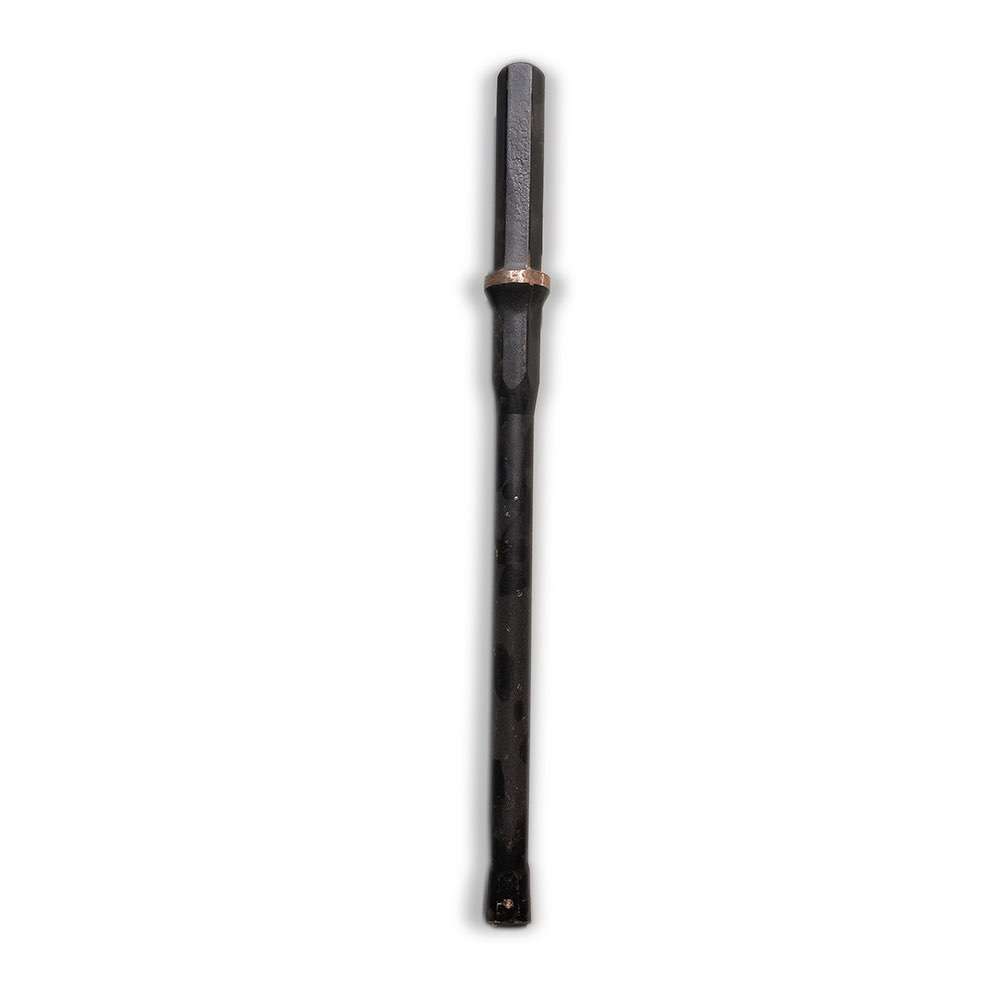
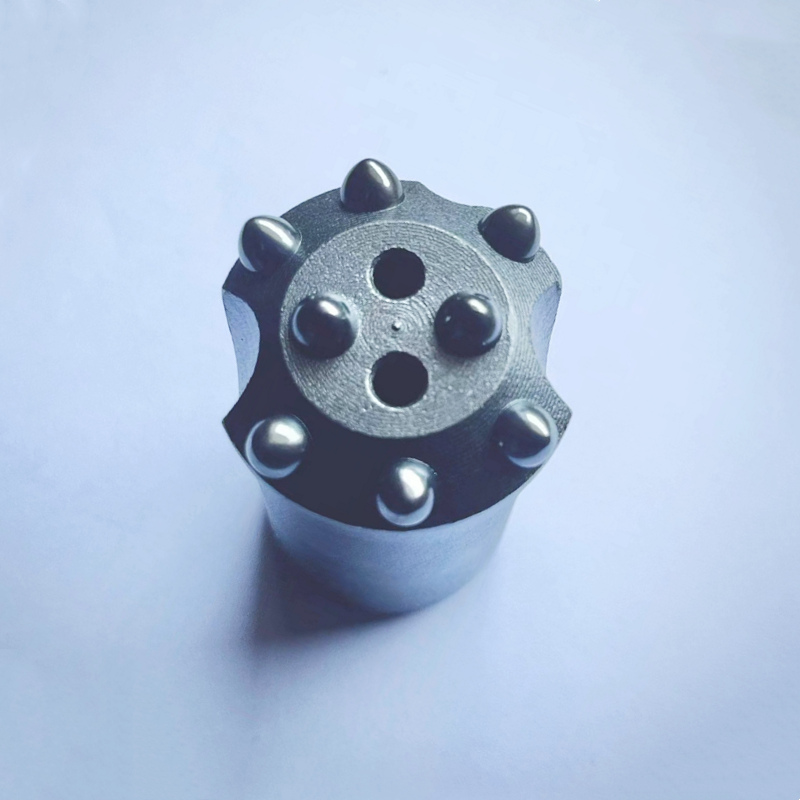
Plug Hole Integral Rod for Stone Work
- Length : 200-1200mm
- Diameter : 22/24mm
- Hex Shank : 19*108mm/22*108mm
- Length : 20mm*1000mm, 22*1200mm, 24mm*1200mm, 26*1200mm
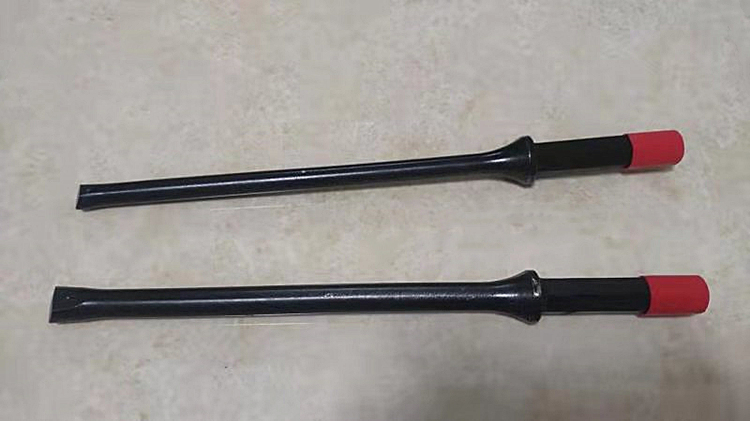
Product features:
Carburization is a process used to harden the entirerod surface both internally and externally to strengthen and extend the life of the rod. Carburization is a process used to harden the entire rod surface both internally and externally to strengthen and extend the life of the rod. the life of the rod. externally to strengthen and extend the life of the rod.entire rod surface both internally and externally to strengthen and extend the life of the rod.
ProDrill provides a variety of integral and plug hole rods in a full range of lengths and steel hex diameters for all of your hand-held pneumatic drilling needs.
On request, we can supply integral and plug hole rods to custom lengths and gauges. At ProDrill, we use the finest raw materials available, including premium steel and top quality carbide.
ProDrill use the following special heat treament techology to process to assure high,reliable and consistant quality and performance.
- Carburization is a process used to harden the entire rod surface both internally and externally to strengthen and extend the life of the rod.
- High Frequency Induction is a process where only the thread ends of the rod are hardened to lengthen thread life.
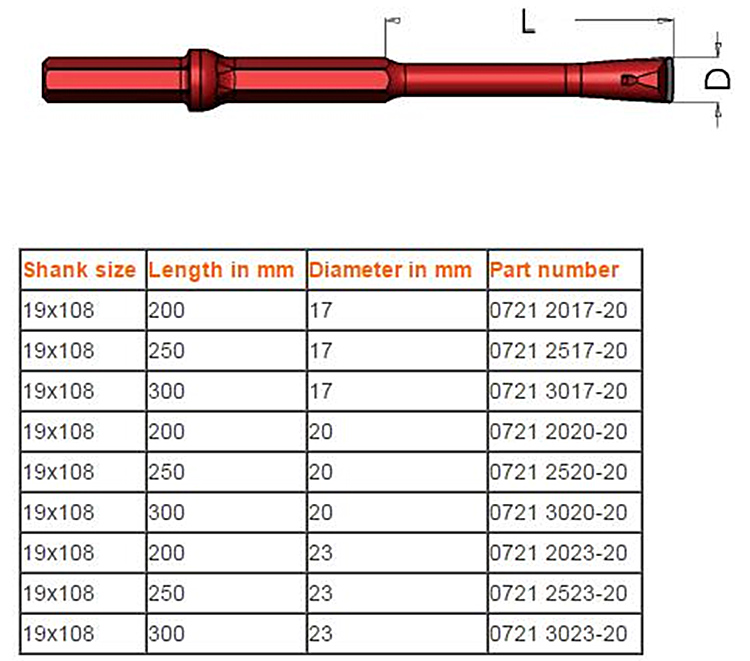
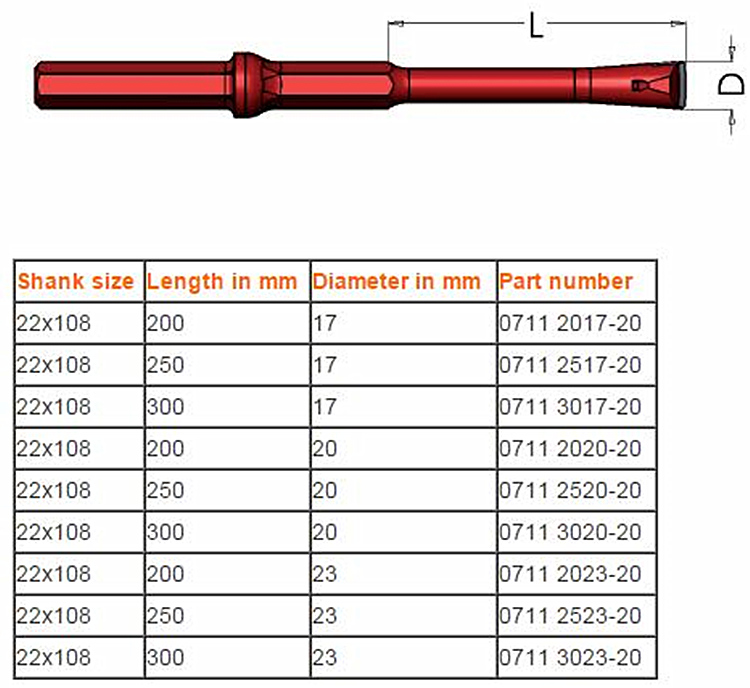
ProDrill manufacture a large range of plug hole rods, below is only our standard items.
L : length/mm, D : Diameter/mm
Steel for Tapered Drill Rods and Integral Drill Rods
Tapered connection drill rods and integral drill rods generally refer to those made of H22 and H25 hexagonal hollow steel billets, which are suitable for short-hole drilling operations with small pneumatic or hydraulic rock drills.
Integral drill rods are those with cemented carbide inserts on the head, and they are widely used in both developed and some developing countries. The head of a tapered connection drill rod is conical, and it can only perform drilling work when connected and matched with a drill bit with a tapered hole. Almost all short-hole drilling operations in China adopt tapered connection drill rods, which are also applied in Canada and some other developed countries.
The most widely used steel grade for such drill rods abroad is 95CrMo, which belongs to the alloy tool steel category, with 95Cr and other grades in the same category. Alloy structural steel grades include 40SiMnCrNiMo, 38CrNi3Mo, 38SiCrV, 40MnMo, etc. A few countries also use spring steel such as 55Si2Mn and carburized steel such as 18CrNi3Mo. After long-term screening in China, 55SiMnMo, a type of spring steel, is regarded as an ideal steel grade. T8 and T8Cr steels, which were widely used in the early days, have now been basically phased out.
The main requirements for steel grades of tapered drill rods and integral drill rods are as follows:
- High fatigue strength combined with good toughness.
- Low notch sensitivity and low fatigue crack growth rate.
- Capable of achieving a hardness of around HRC 40 under controlled rolling and controlled cooling or normalized conditions to ensure the elasticity of the drill rod; reaching a hardness of HRC 50–54 after quenching and tempering to prevent the drill shank from mushrooming or bursting under the impact of the rock drill piston.
- Low decarburization tendency during heating.